Zones 3-4: Cold
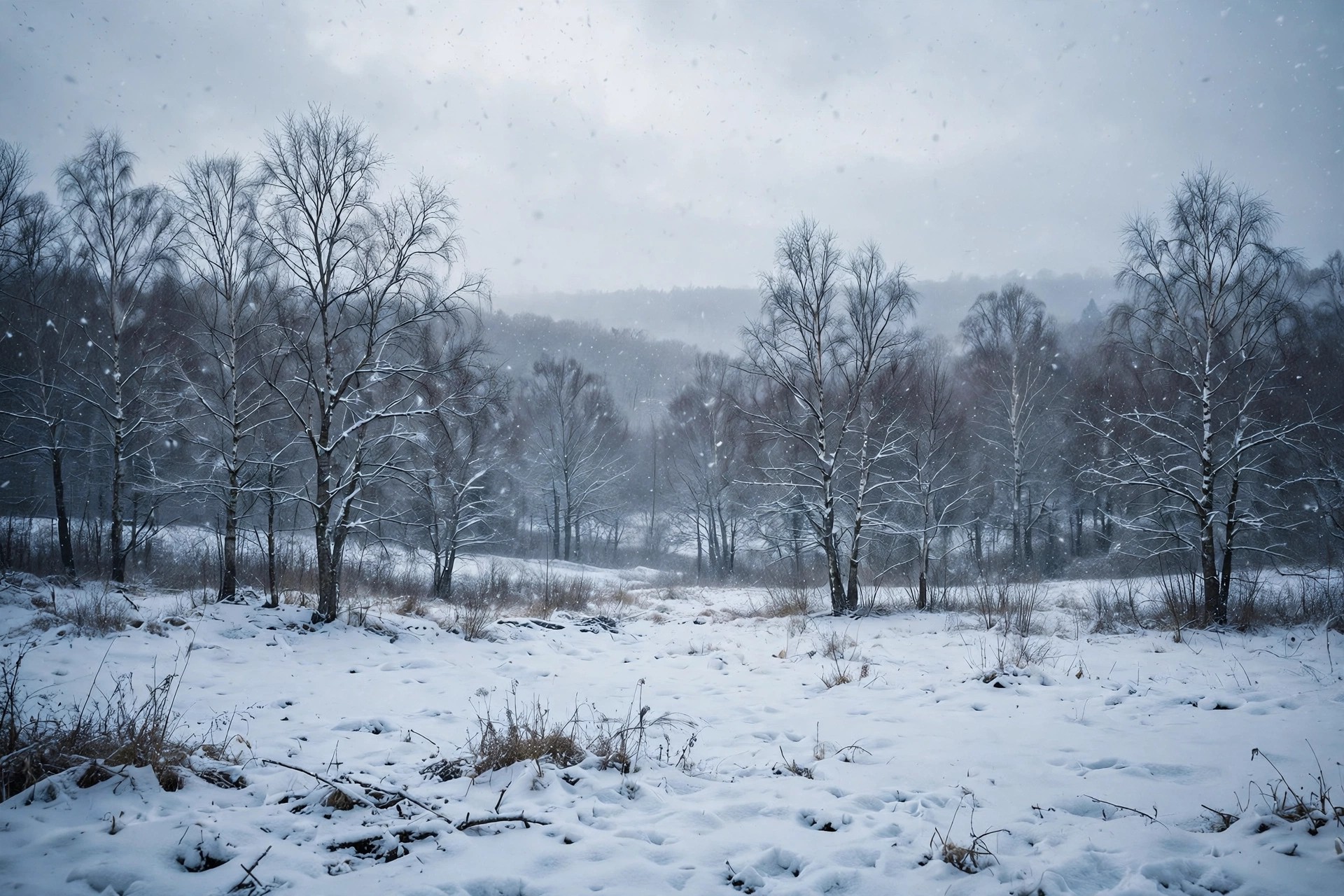
Gardeners in zones 3 and 4 work with a short, brisk growing season defined by cold winters and a limited frost-free window in summer. Spring arrives late, and autumn cold settles in early, making season length the main factor when planning your garden plot.
Crops that mature quickly or thrive in cooler weather perform exceptionally well in these northern climates. Focus on root vegetables like radishes, carrots, and beets, as well as fast-growing leafy greens like spinach, kale, and lettuce. Short-season varieties of tomatoes, bush beans, and peas also yield reliable harvests before the cold returns.
The biggest challenge for beginners in zones 3 and 4 is rushing the season. Planting tender crops outdoors before the ground warms or before the threat of frost has passed can stall growth or kill young plants. To succeed, start seeds indoors ahead of time to get a head start, choose fast-maturing plant varieties, and keep frost-cloth or protective covers nearby to shield delicate sprouts from unseasonal late-spring or early-autumn cold snaps.
Monthly tasks by zone
Sowing calendar
Start-indoors figures count back from the transplant date in the next column; transplant and direct-sow dates count from your own average last spring frost date and first autumn frost date — not from calendar dates. Soil temperatures are minimums for germination. Days to harvest vary by variety; check the seed packet. Anything marked ‘verify locally’ is unconfirmed for your area — ask your local extension service.
Short season: choose fast-maturing varieties, and start warm-season crops indoors — direct sowing after last frost often runs out of season before harvest.
| Crop | Start indoors (before transplanting) | Set out / direct sow | Harvest | Min. soil temp |
|---|---|---|---|---|
| Lettuce | 4–6 weeks before transplanting, or direct sow | Direct sow from 4 weeks before last frost | 40–60 days direct sown; 25–35 days transplanted | 32°F min |
| Spinach | Direct sow (does not transplant well) | Direct sow in early spring, as soon as soil can be worked | See seed packet (verify locally) | 32°F min |
| Kale | 5–7 weeks before transplanting, or direct sow | Direct sow from 5 weeks before to 2 weeks after last frost | 55–75 days direct sown | 40°F min |
| Peas | Direct sow (does not transplant well) | Direct sow 4–6 weeks before last frost | 55–90 days after sowing | 40°F min |
| Carrot | Direct sow (does not transplant well) | Direct sow from 4 weeks before last frost | 60–80 days after sowing | 40°F min |
| Beets | Direct sow | Direct sow from 4 weeks before last frost | 50–80 days after sowing | 40°F min |
| Broccoli | 6–8 weeks before transplanting | Transplant from 6 weeks before last frost | 60–80 days after transplanting | 40°F min |
| Green Beans | Direct sow (does not transplant well) | Direct sow from last frost onward | 52–70 days after sowing | 60°F min |
| Tomato | 6–10 weeks before transplanting | Transplant 1–2 weeks after last frost, when nights stay above 45°F | 70 days after transplanting | 50°F min |
| Cucumber | 4 weeks before transplanting, or direct sow | Direct sow or transplant after last frost | 50–70 days after sowing | 60°F min |
| Zucchini | 4 weeks before transplanting, or direct sow | Transplant or direct sow from last frost onward | 45–60 days after transplanting | 60°F min |
Stagger your sowings instead of planting everything on one day — see Don't Sow It All at Once.
Plants in this guide
Each plant page explains which zones it suits, including annual, perennial and container-growing options. Not every plant listed here thrives in this zone.