Parsley
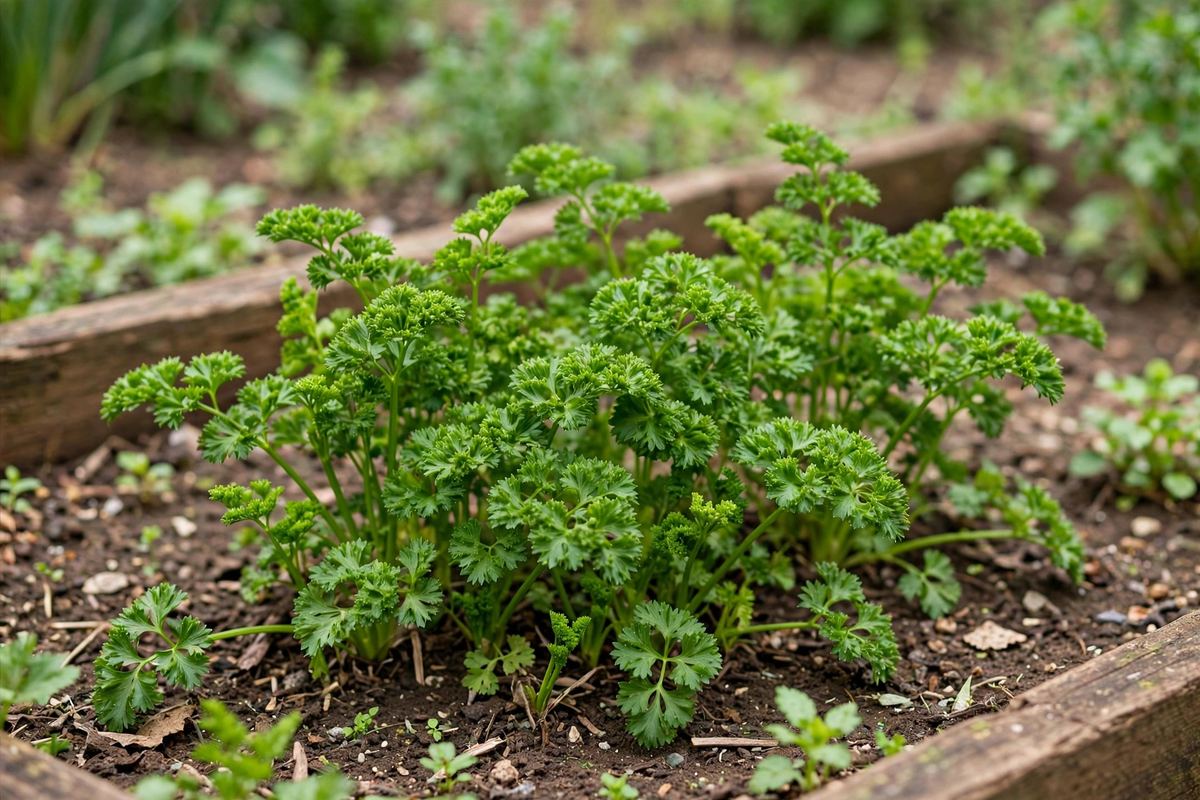
cool-season crop
At a glance
| Suitable zone groups | All four zone groups (3-4, 5-6, 7-8, 9-10), as a cool-season annual |
|---|---|
| Planting window | See the guide text below, in general terms relative to your last spring frost |
| Sun | Full sun to partial shade |
| Soil | Moist, rich, well-draining soil |
| Watering | Regular watering, soil uniformly moist |
About this plant
Parsley is a frost-tolerant culinary herb grown as an annual across all climate zones. It thrives when planted in early spring or in late summer for a fall harvest. Parsley prefers full sun to partial shade and moist, rich, well-draining soil packed with organic matter.
Slow to germinate, parsley benefits from steady soil moisture throughout its growing cycle. Regular harvesting of the outer leaves encourages continuous growth of fresh foliage from the center of the plant.
Common beginner failures and fixes
- Slow or uneven germination: Keep the seedbed constantly moist until sprouts emerge.
- Yellowing leaves: Ensure proper drainage and avoid overwatering or waterlogged roots.
- Stunted foliage growth: Plant in a spot with adequate sun and rich compost-amended soil.
- Flowering in second year: Harvest heavily before plants set flower stalks, or reseed annually.
Beginner checklist
- Choose a location in full sun or light partial shade.
- Amend soil with rich compost to promote lush leaf growth.
- Plant seeds or transplants in early spring.
- Water regularly to keep the root zone uniformly moist.
- Harvest outer stems first to encourage ongoing center growth.
Zone groups and planting windows here are general guidance. Confirm your own zone and last frost date locally before planting.